Clinical Pilates for Perimenopause & beyond.

Move Sports Physiotherapy Supporting women 40+ in Geelong
Maddie Cherry - Exercise Physiologist
Perimenopause is a significant and often unpredictable stage of life. As hormones fluctuate, many women notice changes in how their body feels, moves, and recovers. Strength may feel harder to maintain, aches and pains can appear more easily, energy levels may drop, and confidence in exercise can shift.
This is where Clinical Pilates offers something truly different — a smarter, more supportive way to keep moving, building strength, and caring for your body through your transition.

Why Exercise Is Essential During Perimenopause
As oestrogen levels change, the body naturally experiences a decline in muscle mass and bone density, alongside increased joint stiffness and injury risk. Mental wellbeing can also be affected, with stress, low mood, and disrupted sleep becoming more common.
Consistent, well-designed exercise during perimenopause helps to preserve muscle, support bone health, reduce pain, and improve overall wellbeing.
This is where Clinical Pilates can really make a difference! At Move Sports Physio we often recommend Clinical Pilates as it is a great way to build your confidence in movement in a safe way, especially during this stage of life.
Clinical Pilates - Rebuilding strength and confidence
Rebuilding strength and movement confidence
Rebuilding strength and confidence in movement is incredibly valuable during perimenopause, particularly for women experiencing persistent pain or feeling unsure about how to return to exercise safely.
Clinical Pilates supports whole-body strength while helping you reconnect with how your body moves. By working through controlled, intentional exercises, it can improve body awareness, stability, and coordination — all of which are key for feeling more confident in daily activities and exercise.
Within this broader approach to strength, Clinical Pilates places a strong focus on the core and glute muscles, targeting the lumbopelvic region to provide a stable foundation for movement. This includes improving pelvic floor strength and control, which is especially important during perimenopause and can help prevent, or even improve, some common concerns that arise during this stage of life.
Stress Reduction
The low-impact nature of Pilates makes it an excellent option if you’re experiencing joint pain. Whether it’s osteoarthritis, rheumatoid arthritis, inflammation related to hormonal changes, or persistent pain, Pilates offers a gentle way to stay active and keep moving.
Perimenopause also often coincides with a very busy and demanding stage of life. Pilates provides an opportunity to intentionally slow things down. With its focus on controlled movement, breath-led exercise, and mindful awareness of how your body feels, Pilates can be especially helpful for calming and regulating the nervous system.
It’s also a very different experience from many traditional workouts. Simply showing up — often in socks or Birkenstocks rather than runners — can help shift your mindset around exercise. Pilates encourages awareness rather than urgency, helping movement feel more supportive and sustainable.

Supporting Tendon Health
Hormonal changes during perimenopause and menopause can increase the risk of tendon issues and slow recovery from tendon injuries. Common conditions during this stage of life can include:
Greater trochanteric pain syndrome (GTPS)
Gluteal and lateral hip pain
Elbow, knee, and shoulder tendinopathies
Clinical Pilates, particularly when led by a Physiotherapist or Exercise Physiologist, can help both prevent and rehabilitate these conditions. It does this by gradually and safely increasing tendon load through controlled, targeted exercises.
Thermoregulation
Another benefit of Clinical Pilates is that it’s typically performed indoors in an air-conditioned environment. This can make movement far more comfortable if you’re experiencing hot flushes or sweats during perimenopause or menopause.
A strong building block for future training
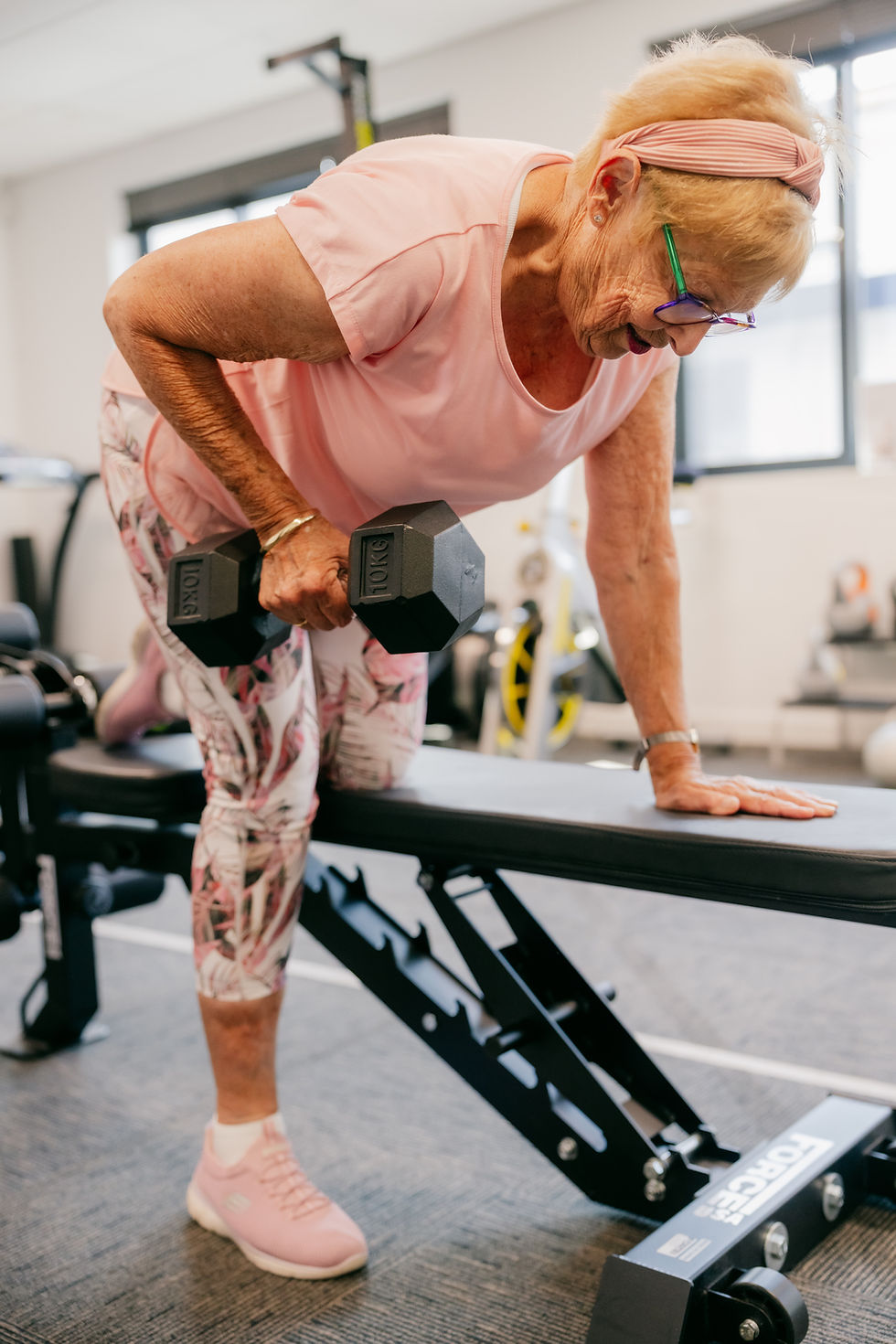
The gold standard for exercise during perimenopause and menopause is strength and resistance training, as it helps increase muscle mass and bone density — both essential for long-term health. Ideally, this includes lifting weights and incorporating cardiovascular training such as HIIT, SIT, and Zone 2 sessions.
However, this approach isn’t the right fit for everyone at every stage.
Well-programmed Pilates can be an excellent alternative form of strength-based training.
At Move, we can support your progressive overload by increasing spring tension, load, position, and time under tension within sessions, so you are continually challenged when needed.
Pilates can also act as a powerful stepping stone — helping you move from minimal activity to feeling strong, confident, and capable enough to progress into more demanding strength training when the time is right.
Move Smarter Through Perimenopause
Perimenopause isn’t a time to stop exercising — it’s a time to move with intention.
Clinical Pilates offers personalised care, expert guidance, and a sustainable way to build strength, manage pain, and protect your long-term health.
Book a Clinical Pilates Assessment at MOVE Sports Physiotherapy & Pilates Geelong
And let us help you transition with → Resilience → Confidence → Empowerment